A client called recently because he wasn’t sure what to do next. He and his wife had just sold an inherited property in Israel and received a little over a million shekels. It should have felt like a windfall, but when we walked through the numbers, the reality became clear. Even with the proceeds deposited, they were still short roughly ₪15,000 a month to cover living expenses.
The challenge for Americans in Israel with income gaps
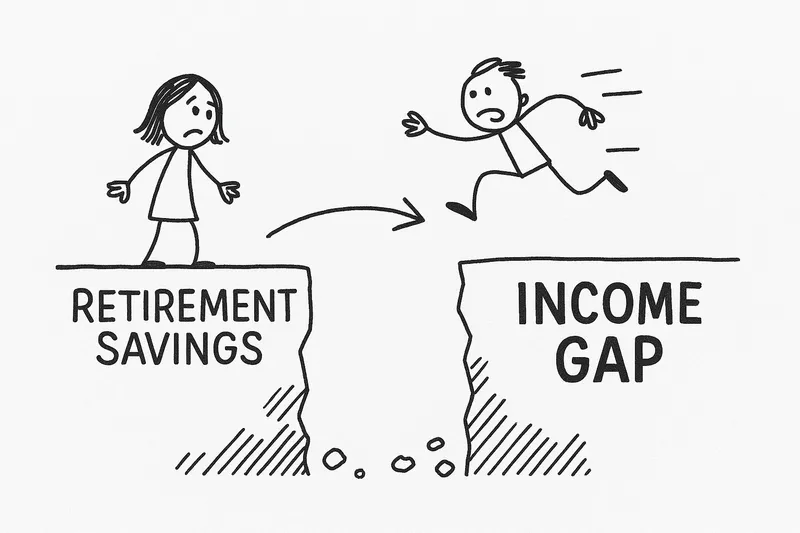
Many Americans who made aliya during their working years face a gap between pension income and actual spending needs once they retire. This couple received modest pension payments and Bituach Leumi, and one spouse collected rental income from a co-owned property, but together these sources covered only a fraction of their monthly budget. The shortfall came to about ₪180,000 annually.
On paper, their financial position looked solid. They owned a valuable home outright, held another rental property, and now had liquid savings. But liquidity alone doesn’t solve a structural income problem. Earning 3% to 4% interest on a shekel deposit would generate ₪30,000 to ₪40,000 a year, helpful but nowhere near enough to close the gap.
The real issue wasn’t poor planning or reckless spending. It was a mismatch between accumulated wealth and sustainable income. The assets existed, but they weren’t structured to produce the cash flow needed to maintain a reasonable lifestyle without steadily drawing down principal.
Planning for the long term when income falls short
Families in this situation often delay difficult decisions because the home they live in or the properties they own feel like security. And they are, until the monthly shortfall forces choices they’d rather postpone. Tapping savings to cover recurring expenses can erode a portfolio faster than expected, especially combined with market volatility or unexpected costs.
What many people don’t realize until they’re living it is that retirement income planning isn’t just about saving enough. It’s about converting assets into reliable cash flow, which often means downsizing a home and using the extra money to create an ongoing income stream.
If you’re managing cross-border assets and facing a gap between income and expenses, a coordinated strategy can help you avoid costly mistakes. Schedule a free introductory call or contact us at 02-624-2788.
DISCLAIMER: Douglas Goldstein, CFP® is the director of Profile Investment Services, Ltd. www.profile-financial.com. He is a licensed financial professional both in the U.S. and Israel. Call (02) 624-2788 for a consultation on how to set up your American assets to meet your financial goals. Securities offered through Portfolio Resources Group, Inc. Member FINRA, SIPC, MSRB, FSI. Accounts carried by Pershing LLC., Member NYSE/SIPC, a subsidiary of The Bank of New York Mellon Corporation. The opinions expressed are those of the author and not those of Portfolio Resources Group, Inc. or its affiliates. Neither PRG nor its affiliates provide tax or legal advice.
Published June 9, 2026.