
A client called about a maturing bank deposit (CD). She had significant cash available and wanted to discuss reinvestment options. But halfway through the conversation, she paused and asked about something else: credit card debt she’d been carrying for months.
She hesitated before bringing it up. The debt wasn’t from careless spending. It had accumulated during a period of unexpected family expenses. She’d nearly paid it off once, but life intervened. What gave her pause wasn’t the amount. It was the thought of touching her long-term savings.
When paying off debt delivers a better return
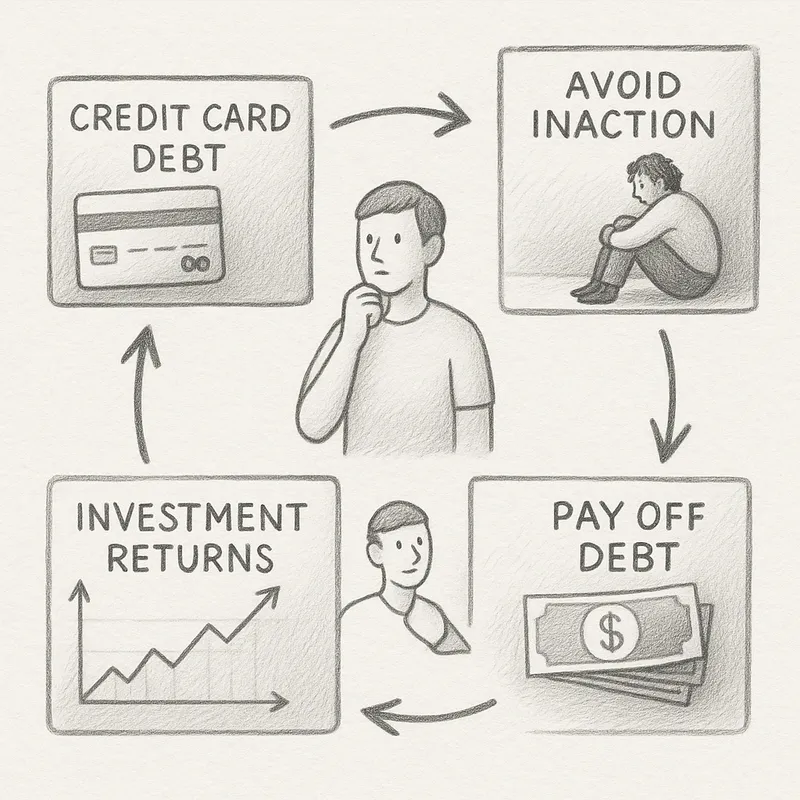
Credit card interest often runs between 15% and 20% annually… maybe even more! No diversified portfolio can reliably outpace that over time. When someone carries high-interest debt while holding liquid savings, the math is straightforward: paying off the debt delivers a guaranteed return equivalent to whatever interest rate the person is avoiding.
This client also had a smaller balance on a zero-percent promotional card, but the offer was expiring soon. Without a plan, the full balance would roll into a high interest rate within weeks.
The emotional barrier often isn’t about understanding the math. It’s about crossing a line. Many people view their investment accounts as untouchable. Once withdrawals begin, it can feel like a slippery slope. That concern isn’t unreasonable, but high-interest debt creates its own compounding problem in reverse.
The long-term cost of inaction
Carrying tens of thousands of dollars in credit card debt at 18% can cost several thousand annually in interest alone. Should you pull money out of your brokerage account to pay it down?
The real risk isn’t the withdrawal itself. It’s treating the symptom without addressing the pattern. If someone routinely taps savings to cover shortfalls, the issue is budgeting discipline. But when the debt results from genuinely unexpected expenses, paying it off and moving forward makes sense.
I often see families delay decisions like this because holding cash feels safer than taking action. But safety isn’t only about preserving account balances. It’s also about avoiding choices that erode wealth over time.
If you’re managing U.S. accounts from Israel and facing questions about debt, withdrawals, or portfolio structure, schedule a free introductory call or contact the office at 02-624-2788.
Published May 5, 2026.